
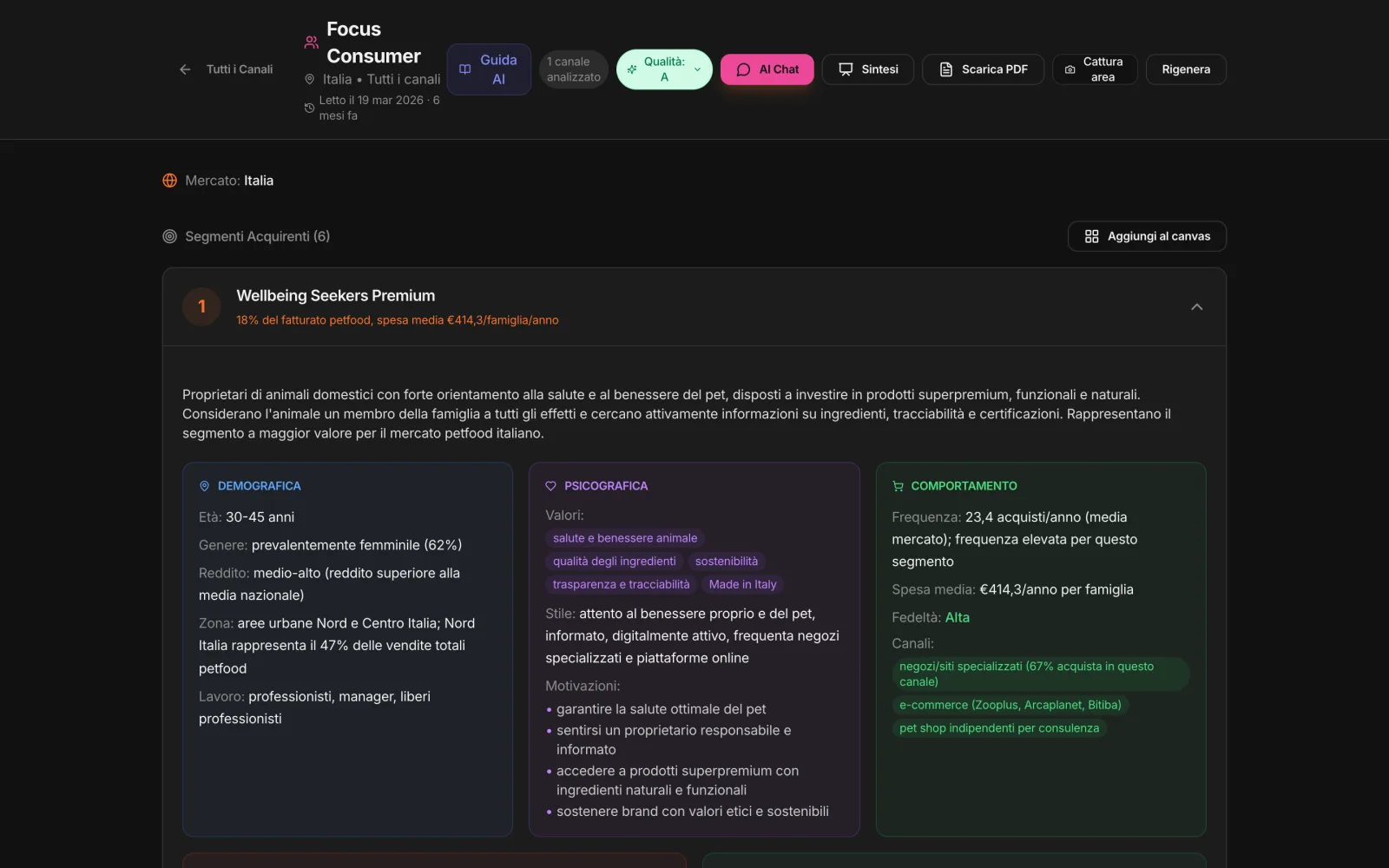
Who buys the product.
And who decides to sell it.
If you go through a retail chain, a distributor or a retailer, there’s another decision before the consumer’s: someone has to choose to list the product, then to keep it, then to reorder it.
MAPS reads both journeys: the shopper’s and the buyer’s, who decides whether the product makes it onto the shelf. Two different decisions, in the same market.
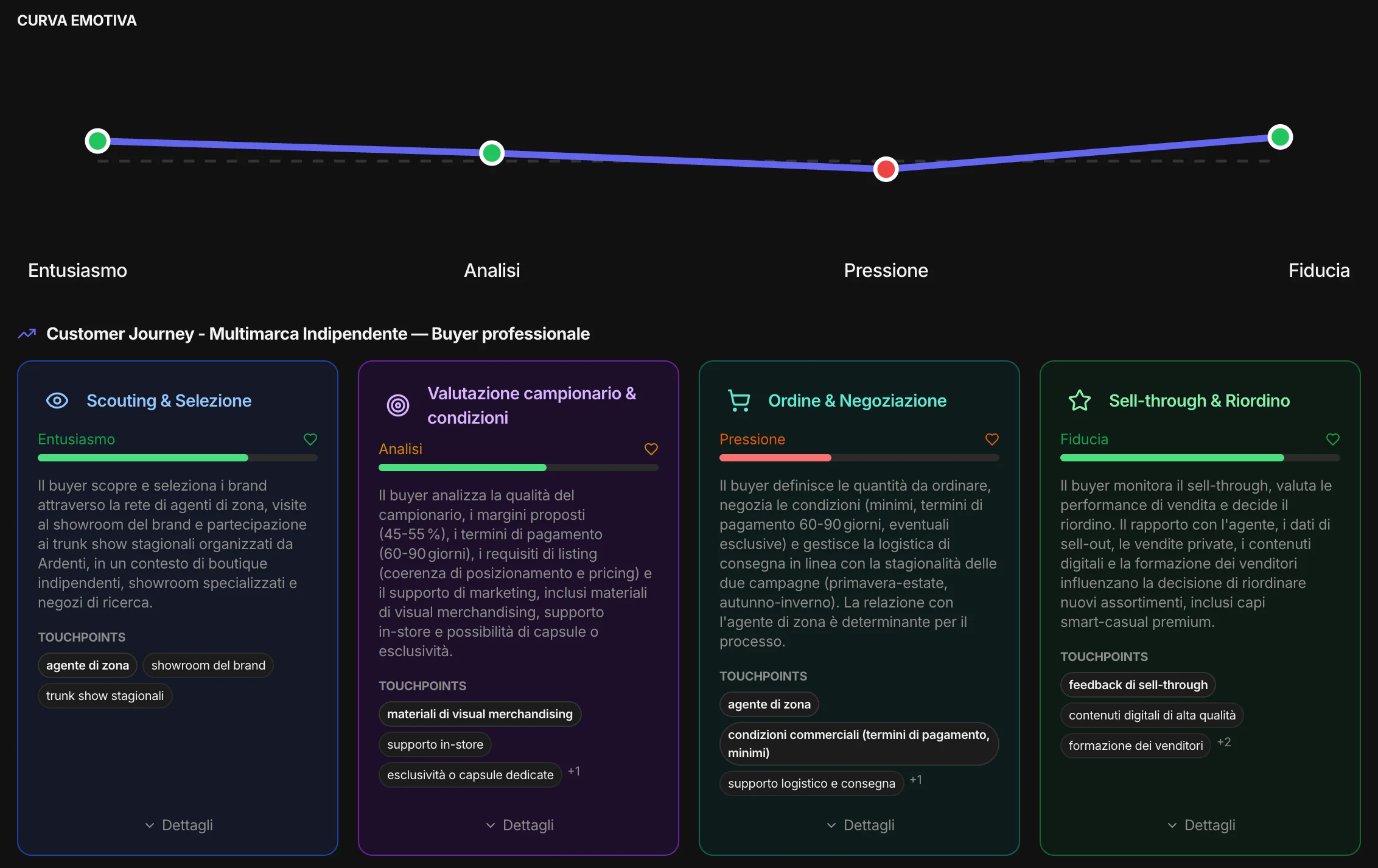
Not the average consumer.
The groups that matter.
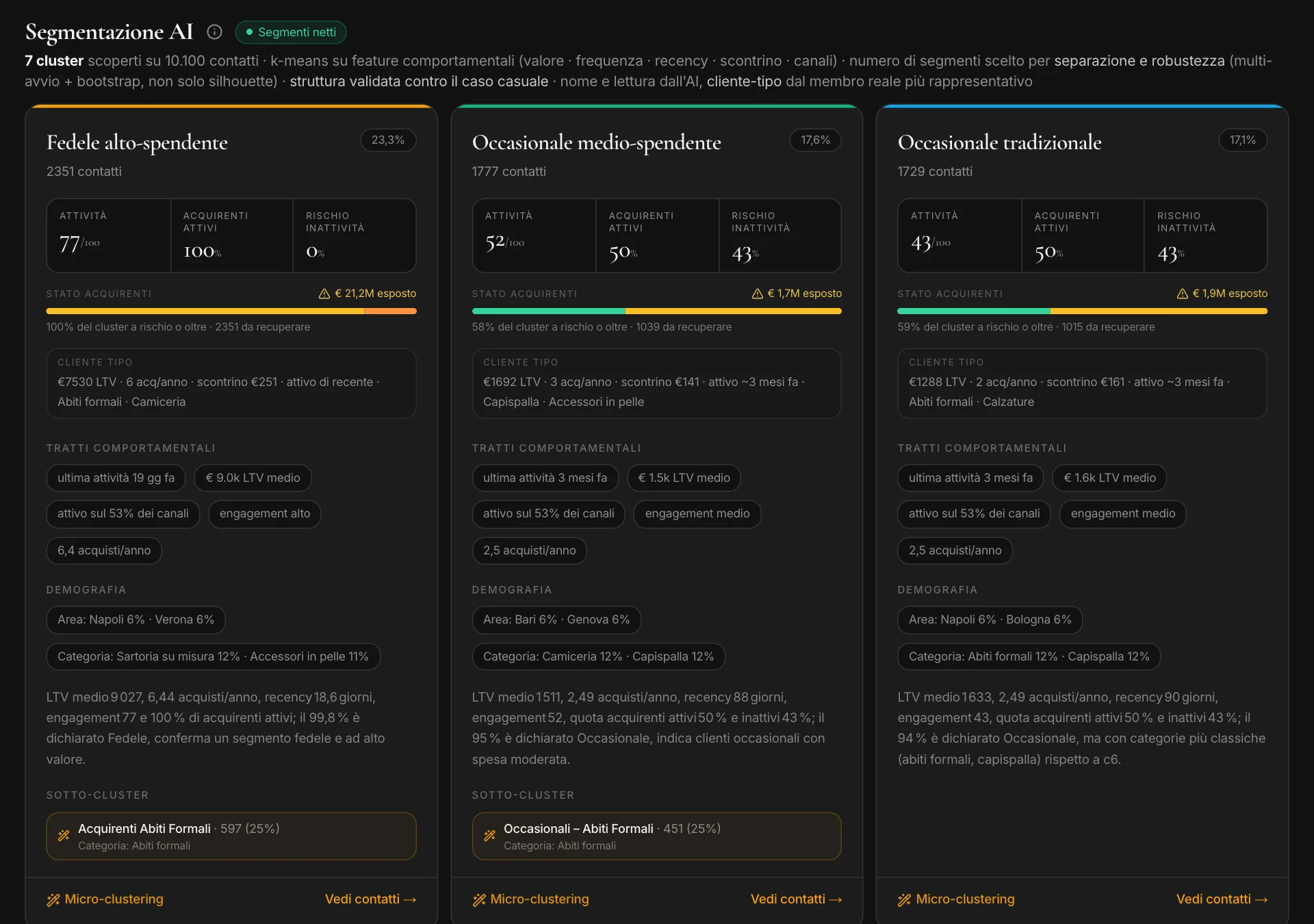
Who buys, why, how much they spend, where, what makes them switch brands. MAPS builds segments and purchase journeys from the market; and if you have your own data — orders, customers, frequency, basket size — it adds the real groups in your customer base: who is worth the most, who is slowing down, who might buy something else.
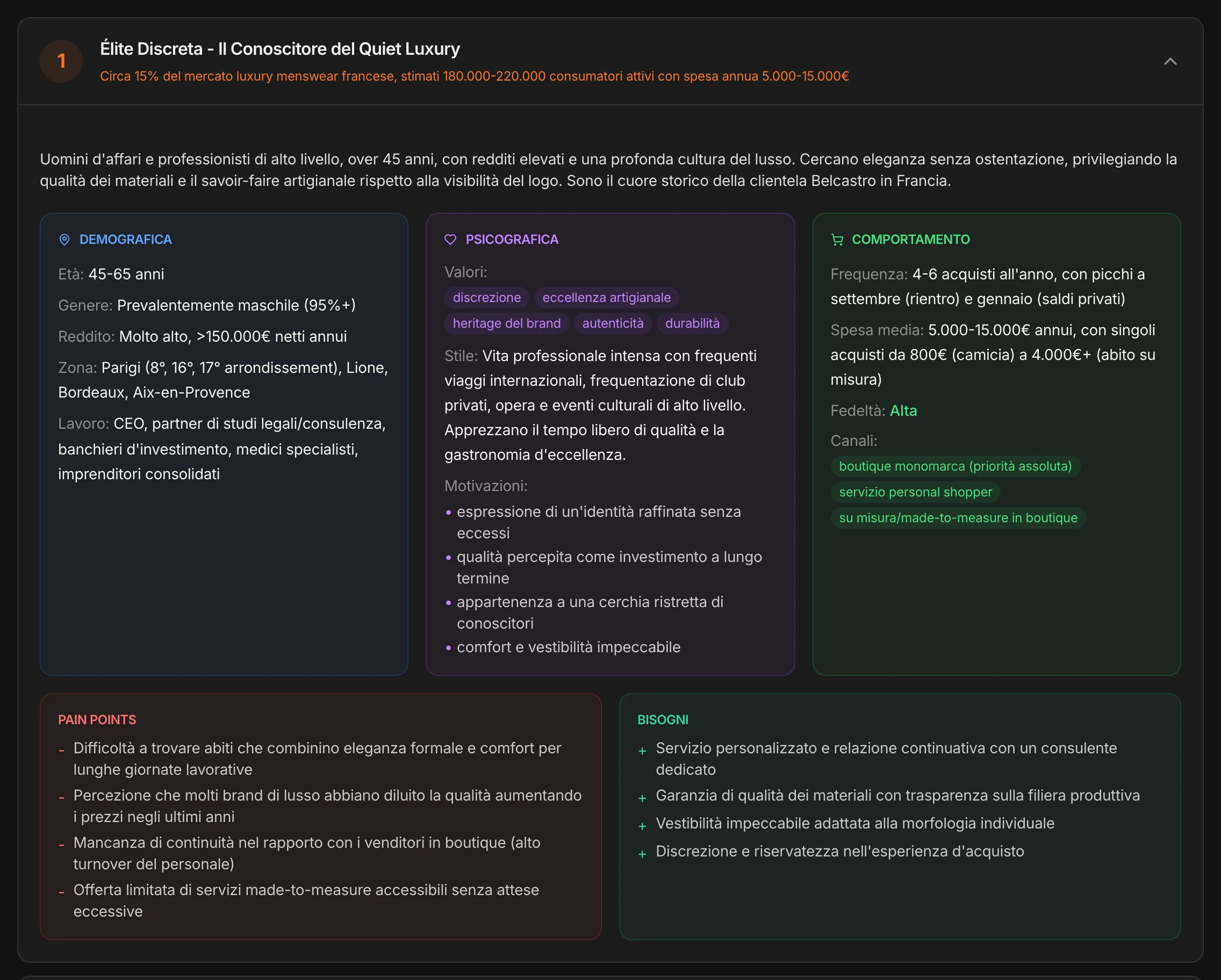
Channels, retailers,
shelf.
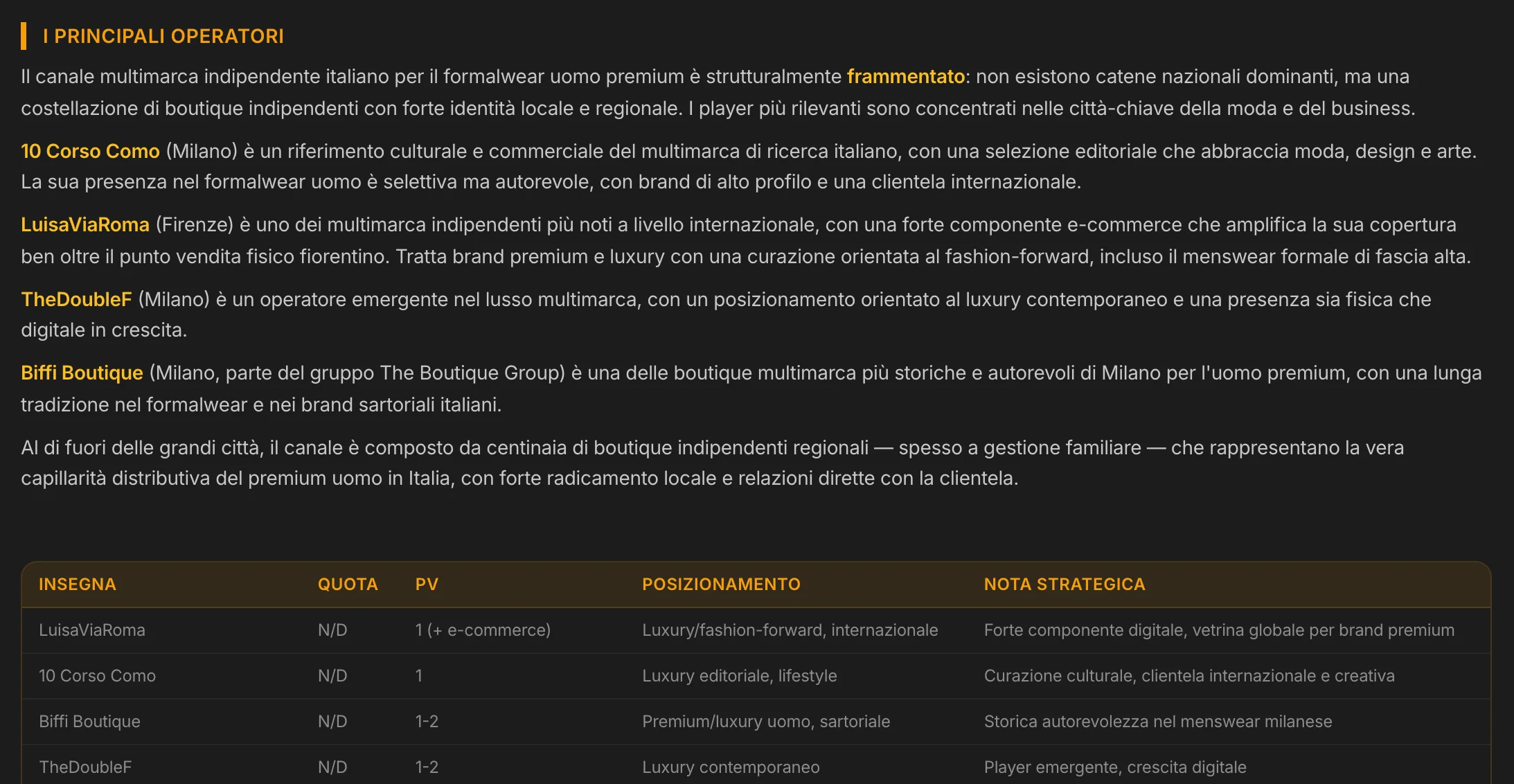
Saying “we sell in mass retail” isn’t enough: every channel works differently, every retail chain has its own criteria, formats and ways of choosing suppliers. MAPS goes down from the market to the channel, and from the channel to the individual retailer: how it works, what it looks for, how to get in.
If you have Nielsen or Circana data, you add the shelf: shares, concentration, promotions, shifts between channels. The calculations start from the uploaded data.
They don’t have
just one message.
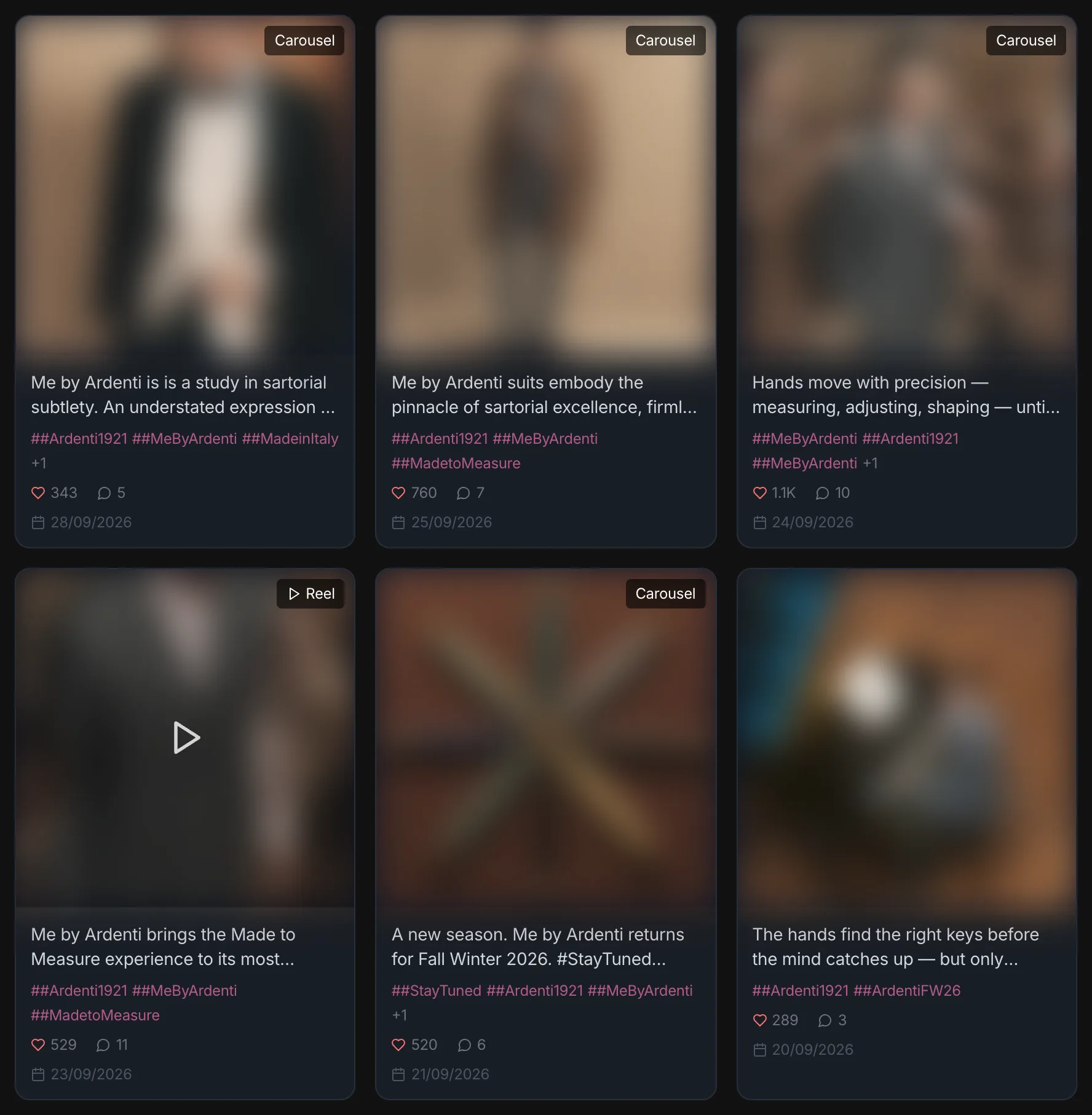
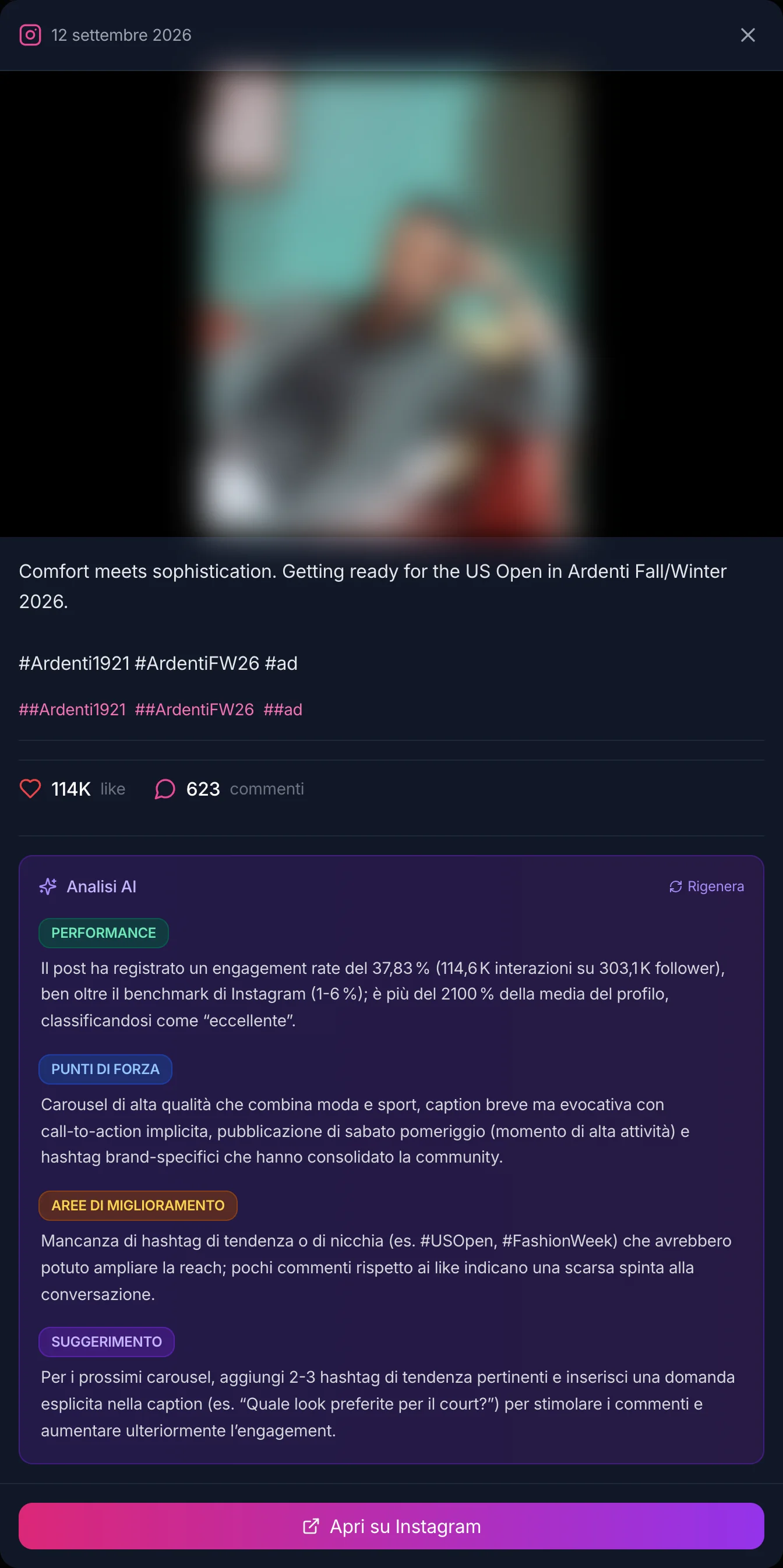
Campaigns, posts, formats, channels, active ads, different tones for different audiences. MAPS follows competitors’ communication over time, goes down to the individual piece of content where the data allows, reads the ads in Meta’s library and — with media data — where the investment is concentrated.
Conversations
come before reports.
What worries people, what excites them, which topics are growing, which words are entering the category. MAPS brings together conversations and searches, in the market’s language.
And with creators, the point isn’t who has the most followers: it’s who is a fit for the category, the audience and the brand.

Packs, messages and campaigns
can get it wrong here.
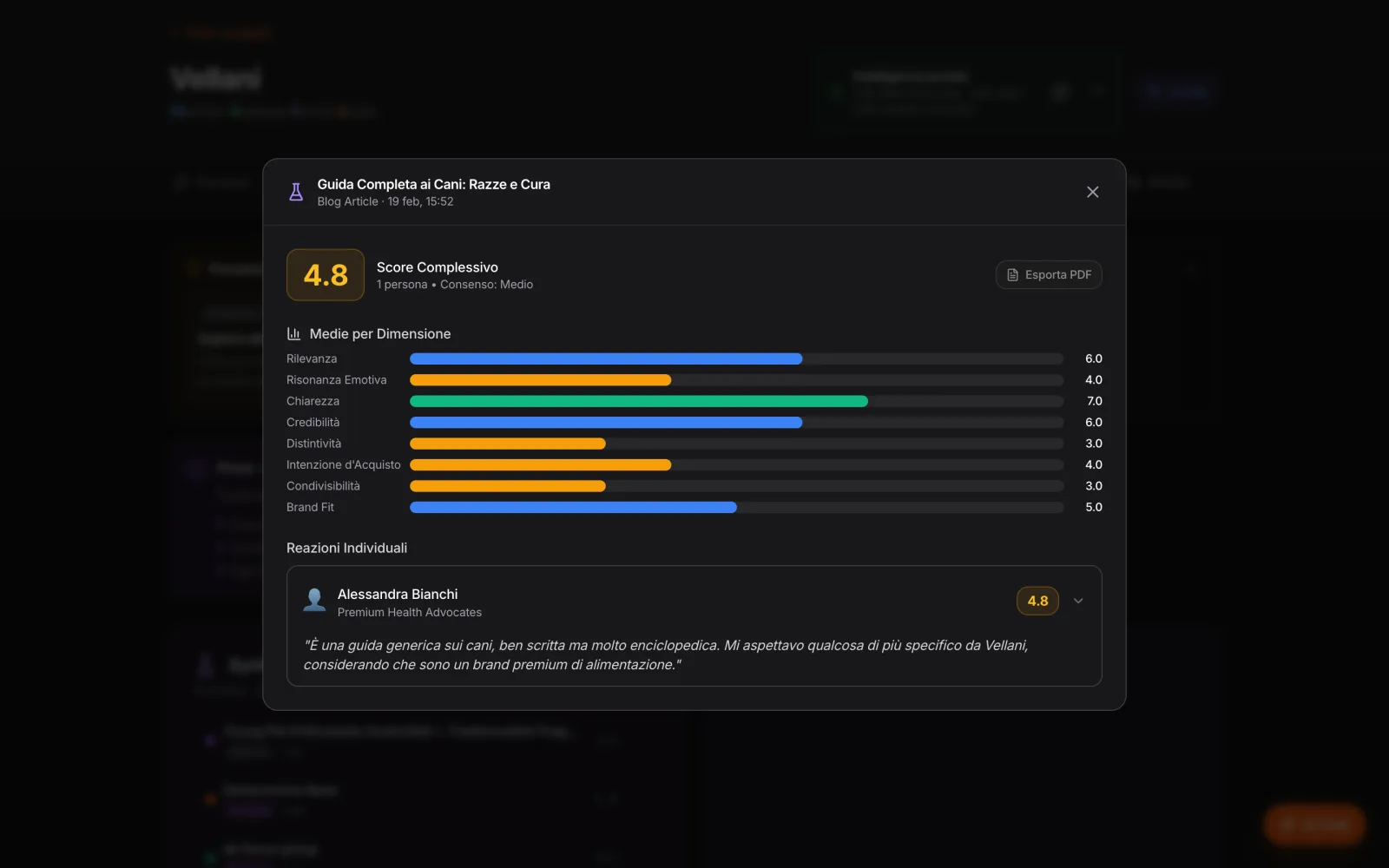
Put a pack, a message, a campaign or an offer in front of synthetic users built on the project’s segments — or on the groups in your customer base. Compare alternatives, ask what convinces them and what holds them back.
Better to find a problem in the simulation than after the launch.
Communication
doesn’t start again from a blank brief.
Content comes from the same project in which you read the consumer, the channel, the retailer, the competitors, the conversations, the tests. That’s why a campaign stays consistent with the analysis that produced it.

From the consumer
to the content.
Consumer Focus · Purchase journey · Customer groups from the CRM
Distribution Focus · Retailers · Nielsen and Circana data
Communication Focus · Social · Meta ads · Media investment
Social Listening · Search trends · Creators and brand fit
Synthetic users · Comparing alternatives · Message testing
Campaigns · Content · Presentations · Pages
The questions
people ask us.
Do I need Nielsen or Circana data?
No: MAPS builds the picture of the market even without shelf data. If you have it, you add it to read shares, channels and promotions more precisely.
I sell direct and through mass retail: is that a problem?
No: that’s exactly the case where you need to keep several decisions together — the consumer, the retail buyer, the different channels — in the same project.
Can I use my customer data?
Yes: from customer or order files, or by connecting HubSpot. Contacts are pseudonymized.