What’s happening,
with the sources.
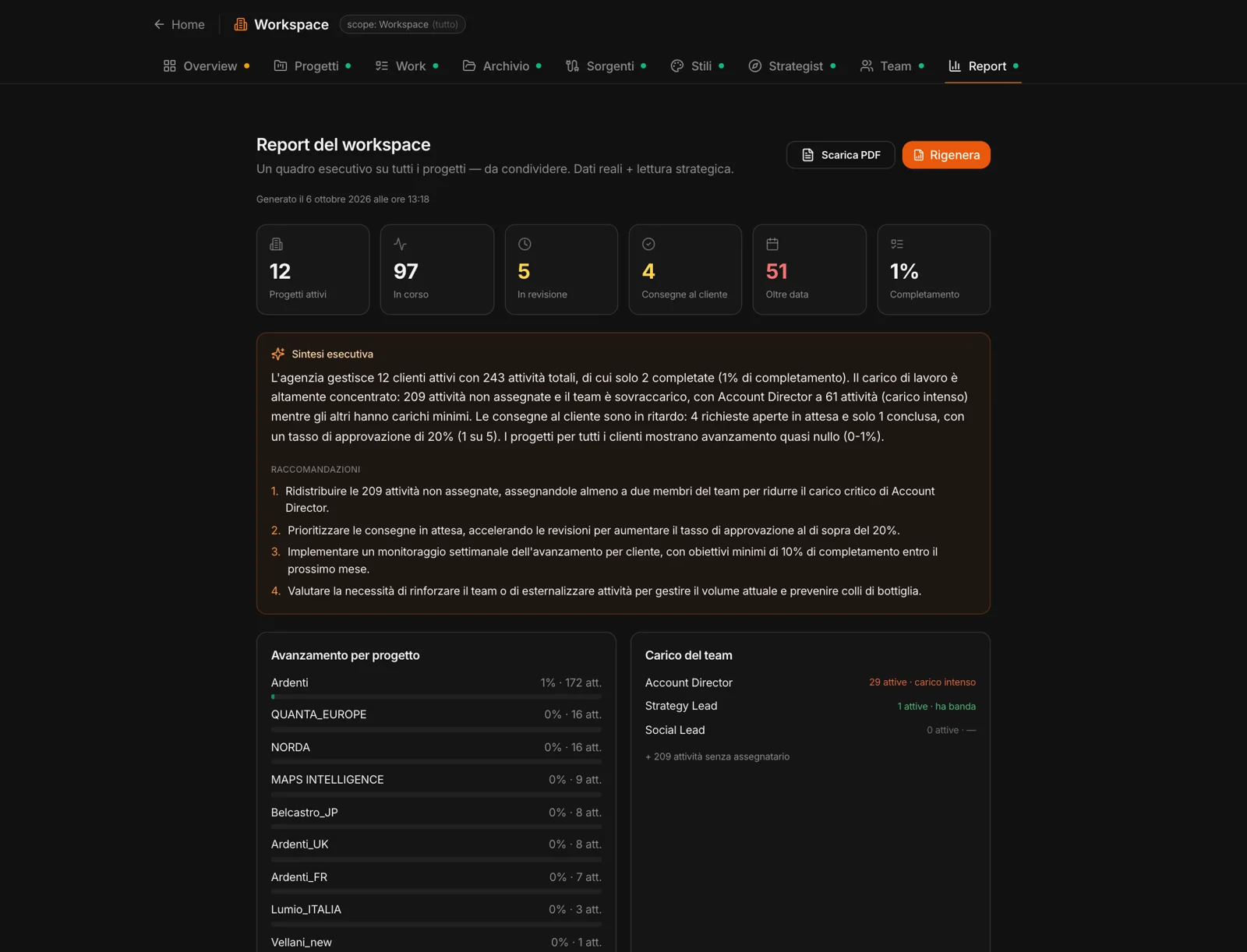
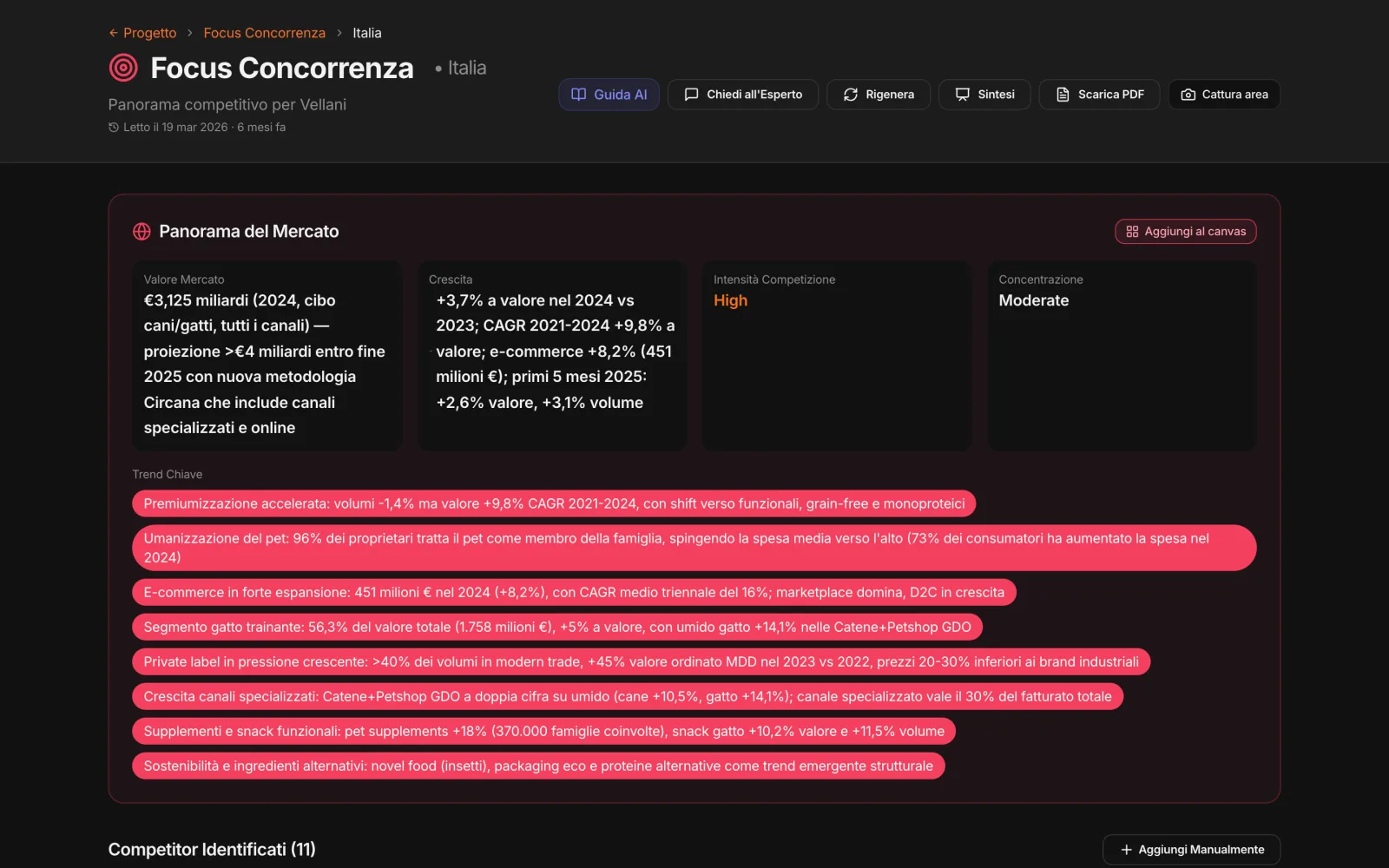
Competitors, prices, customers, channels, conversations, changes in the category. MAPS builds the picture and keeps it in the same project: the category news at the frequency you choose, and the full picture whenever you regenerate it.
And it tells you how often your brand shows up when someone asks an AI assistant.
Before you spend,
find the weak spot.
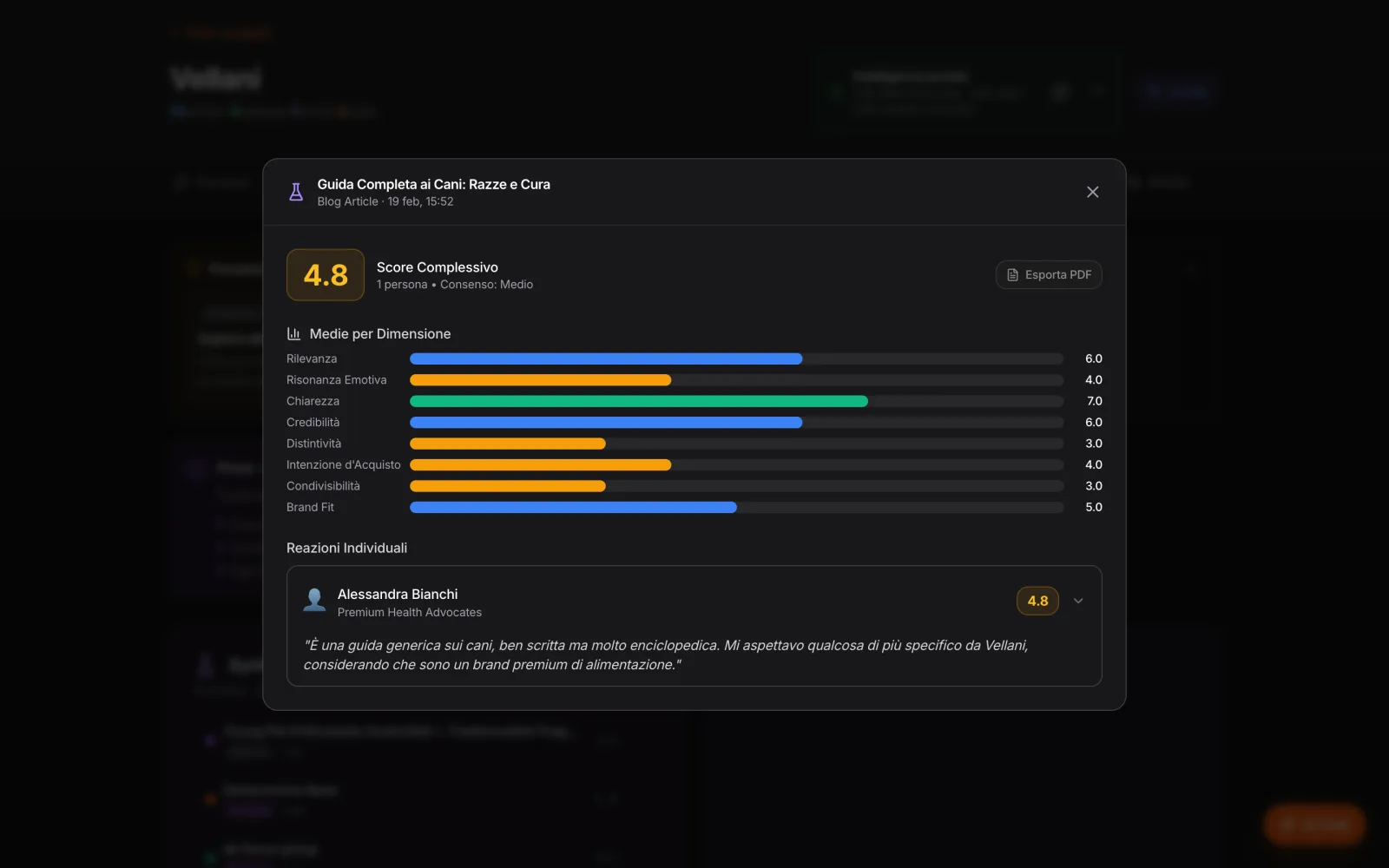
MAPS connects what it knows, brings out tensions and opportunities, builds alternatives. Then a campaign, a message, a pack, a positioning can be put in front of synthetic users built on your market — and on your customers, when you have them.
In B2B, the proposal goes in front of the buying committee’s roles before it faces the real one. Better to find the weak spot here than after the launch.
The market outside.
And the company inside.
Proprietary research, presentations, analyses, CRM, sales data, web and media investment, documents built up over the years: MAPS brings them into the same context as the market. It reasons with both.
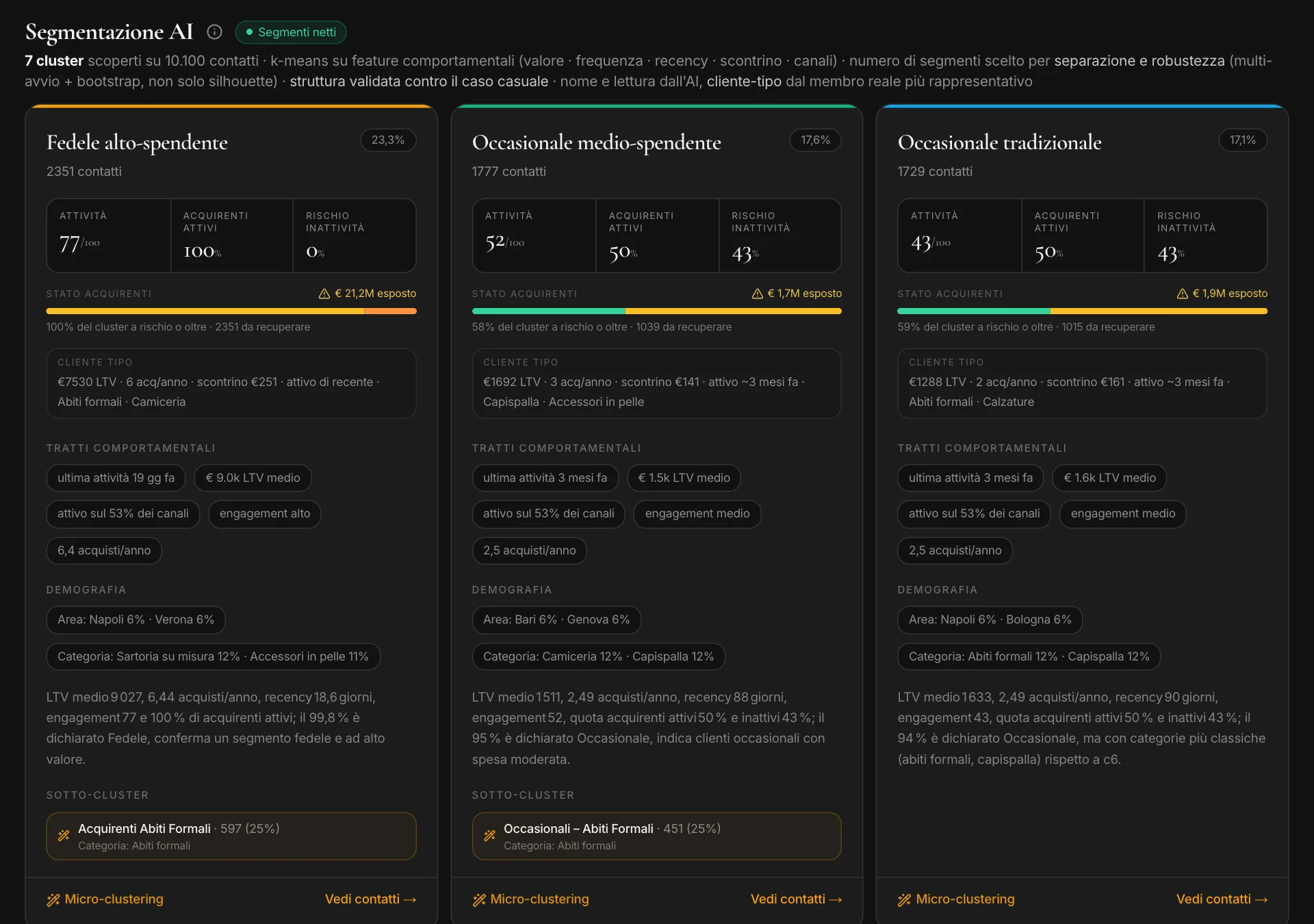
Value, frequency, recency, basket size, categories: real customer groups, the ones growing and the ones slowing down, and what to do with each.
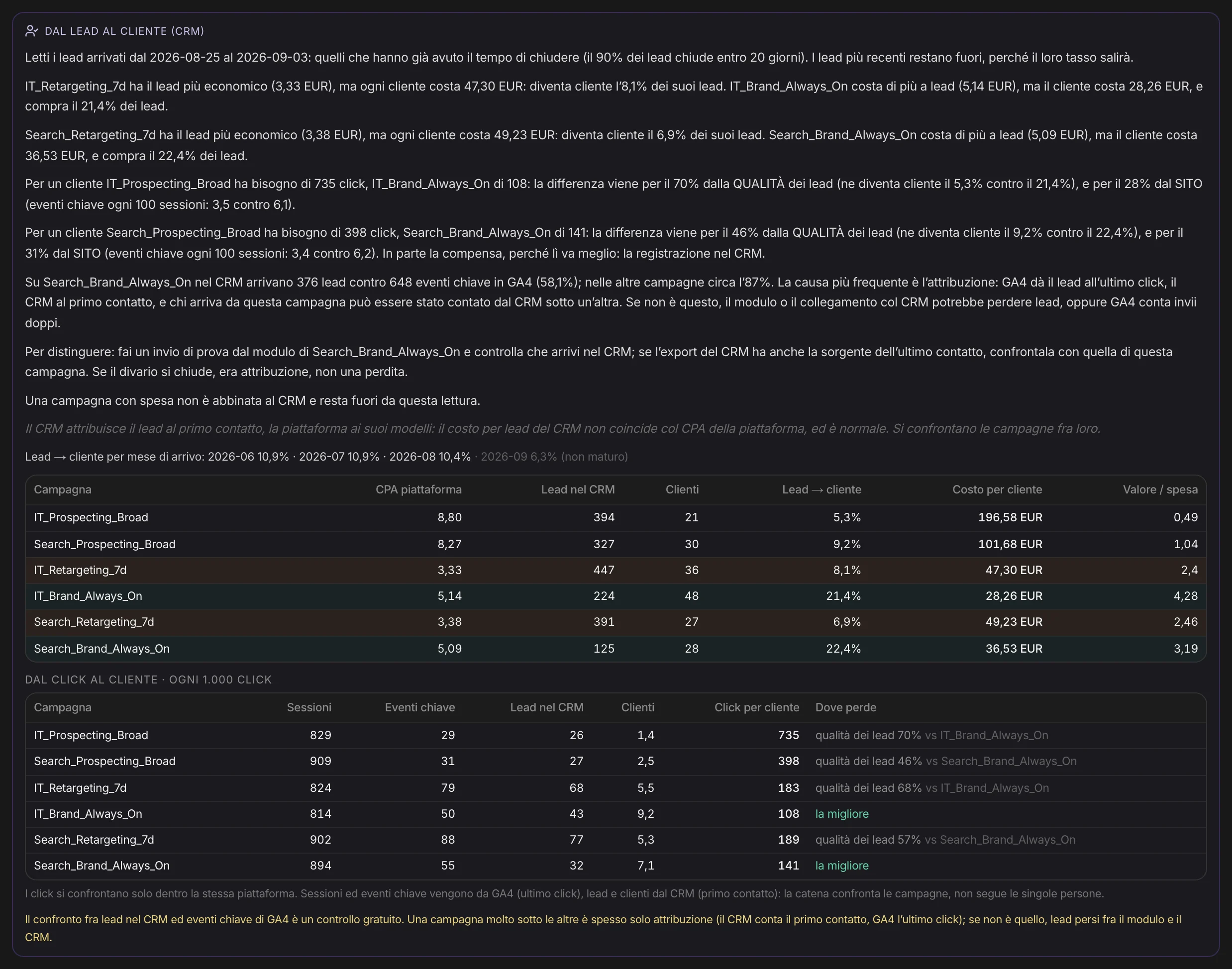
Platform spend all the way to the customer; with AdQuest data, how the category and competitors invest, and your plan.
A PDF you’d struggle to find six months later becomes project knowledge, recalled when needed.
“Why this one?”
With the reasons in front of you.
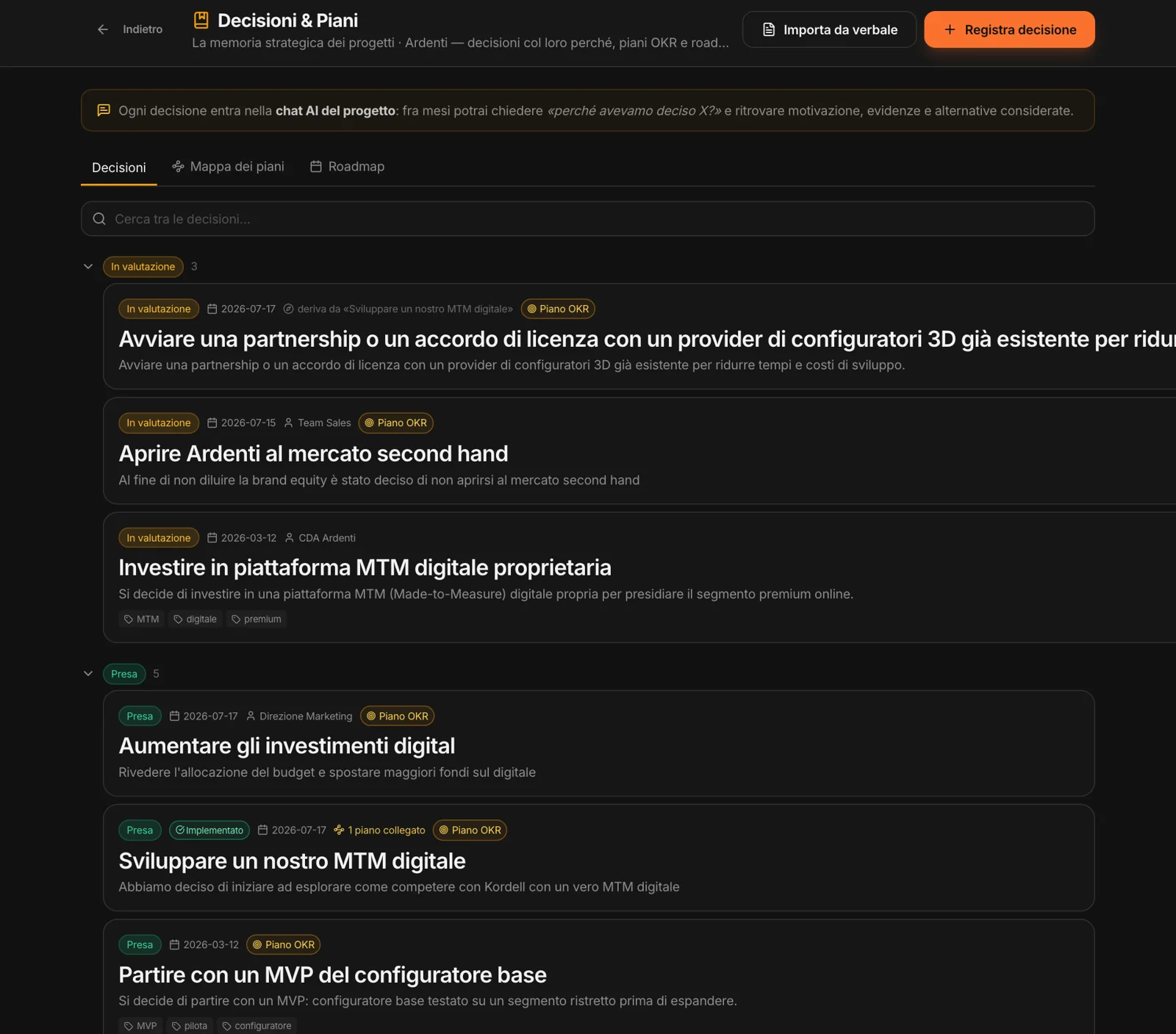
Sources, analyses, internal data, the alternatives considered and the reasoning stay together, and the board materials come from the same context as the decision. The decision memory keeps what you decided, why, and what you ruled out.
And the agency stays: what changes is where you have it start from. A market already read, a defined target, a positioning already discussed, the hypotheses to test — better briefs, fewer lost handoffs.
More capacity,
less dispersion.
In a small team, MAPS takes on part of the research, monitoring, analysis and production work that would otherwise compete with everything else. In a large organization, it connects knowledge that lives in different places: marketing, sales, CRM, research, agencies, markets. Either way, the decision stays with people.
From the market
to the decision.
Market and competitors · Customers and channels · Conversations · News · Visibility in AI assistants
Proprietary research · Documents · CRM · Sales data · Web and media investment
Strategy and positioning · Scenarios · The Canvas
Concepts · Messages · Packs · Synthetic Users
Campaigns · Studios · Content · Presentations
Sources · Decisions · Project history
The questions
we get asked.
Do we need an IT department to get started?
No: you start from brand, category and market, or from the materials you have. Company data comes in later, when it’s needed.
Can we use our CRM data?
Yes: an export from your CRM or management system (customer records or orders), or HubSpot. Contacts are pseudonymized.
Can we analyze our marketing investment?
Yes: web investment all the way to the customer, and with AdQuest data, the category’s and competitors’ investment. AdQuest covers Italy today; for other markets we will connect the local sources as they are needed.
What if the team is two people?
It’s exactly when there are few people for the things to be done that more capacity in the same context helps most.