
In B2B,
the questions change.
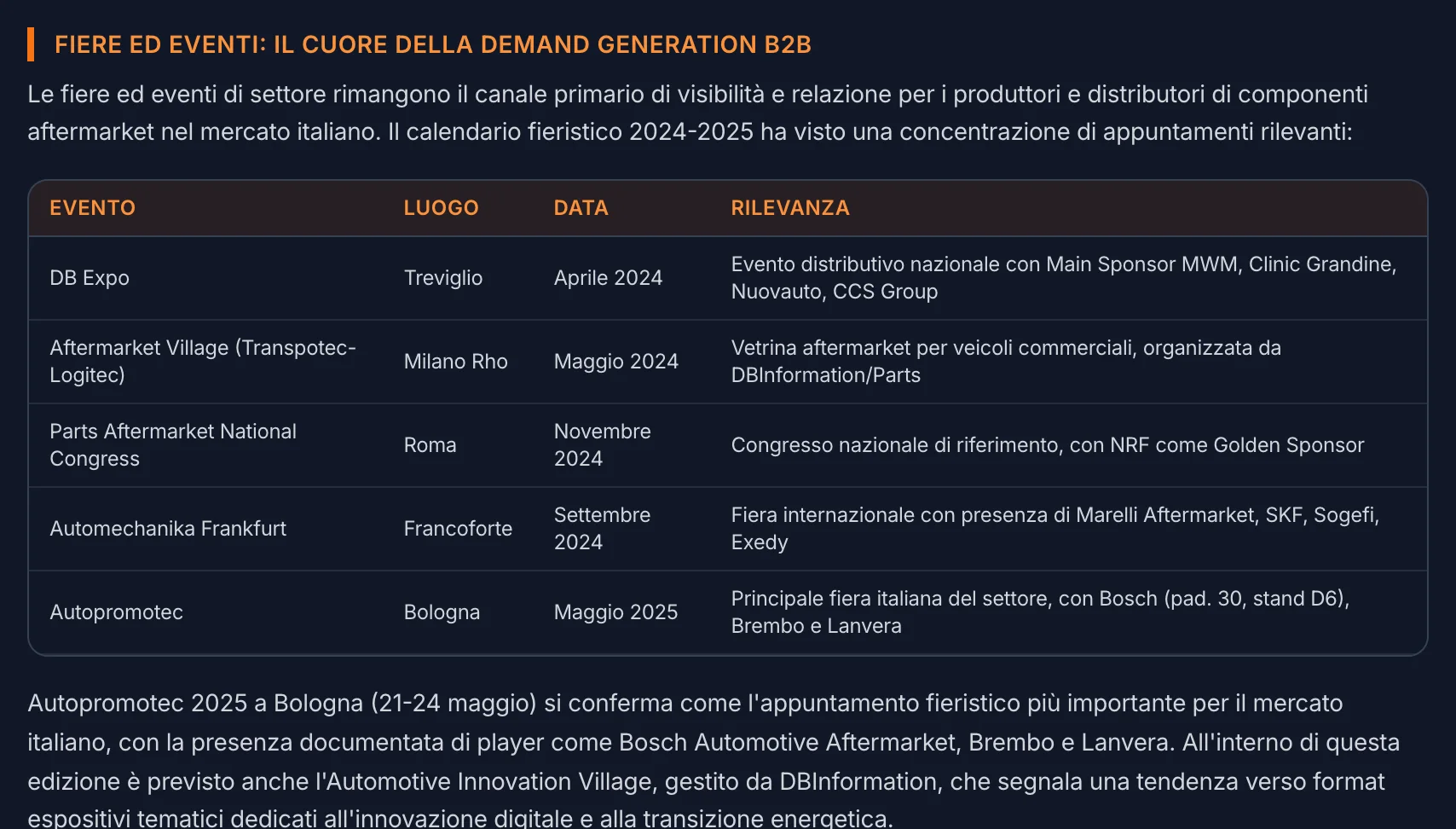
Who takes part in the decision? What criteria do they use? How long does the process take? Where do they get their information, which trade shows do they attend, who can block the purchase, how do competitors sell?
That’s why MAPS looks for decision-makers, buying processes, accounts, trade shows, industry portals, LinkedIn and the trade press. And when it simulates a customer, it doesn’t simulate an average consumer: it simulates people with a role in the decision.
The market,
seen from the customer’s side.
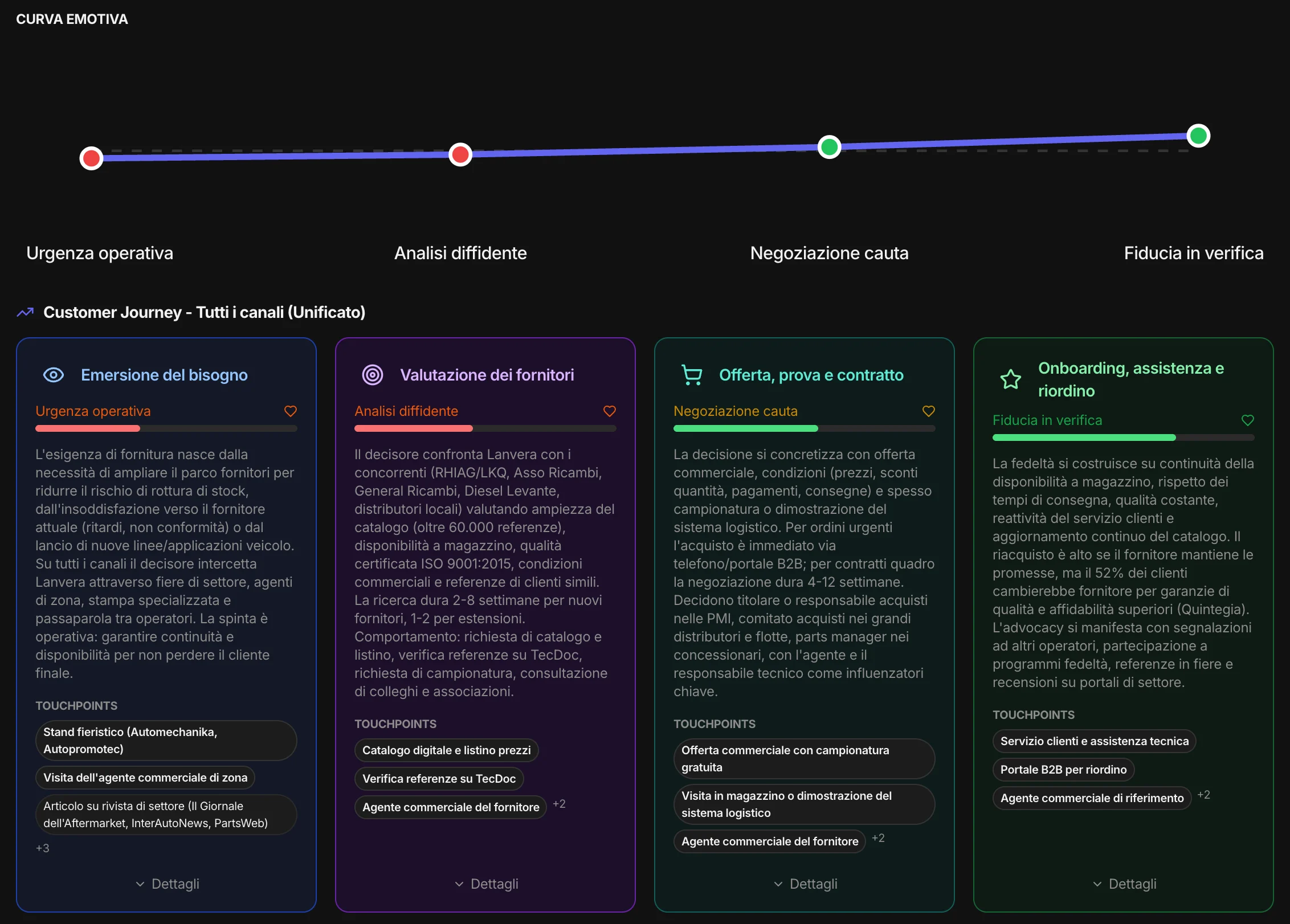
A company can describe its own sales process well; much less the process by which the customer comes to a choice. MAPS reconstructs the segments of companies that buy, the stages of the buying process, the people involved, the criteria that carry weight, the points where the decision stalls, the competitors’ go-to-market.
Start from how the customer decides. Not from how you want to sell to them.
A market is big.
A pipeline is made of names.
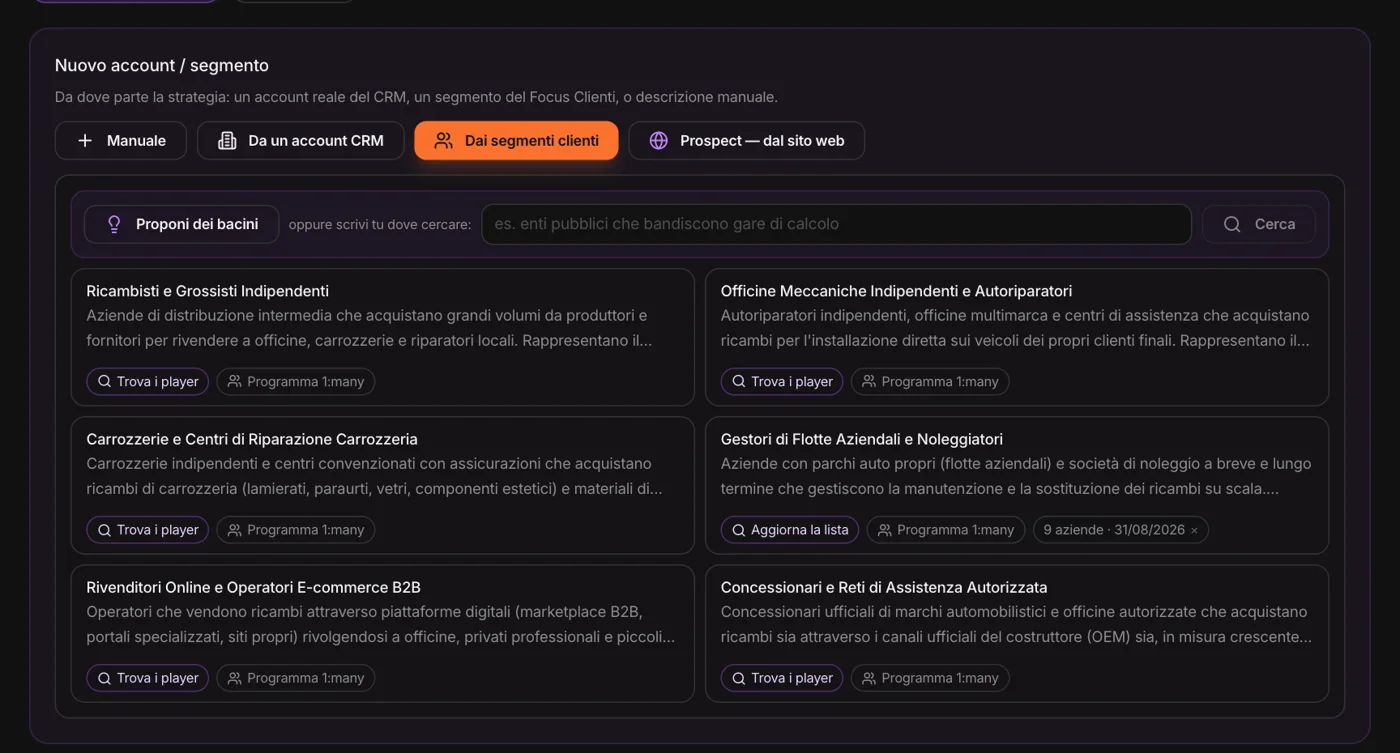
Start from a CRM account, a project segment, or the website of a company you want to win. MAPS gathers what you need: who they are, how they buy, who to reach, with what argument, who you’re up against — never emails or phone numbers.
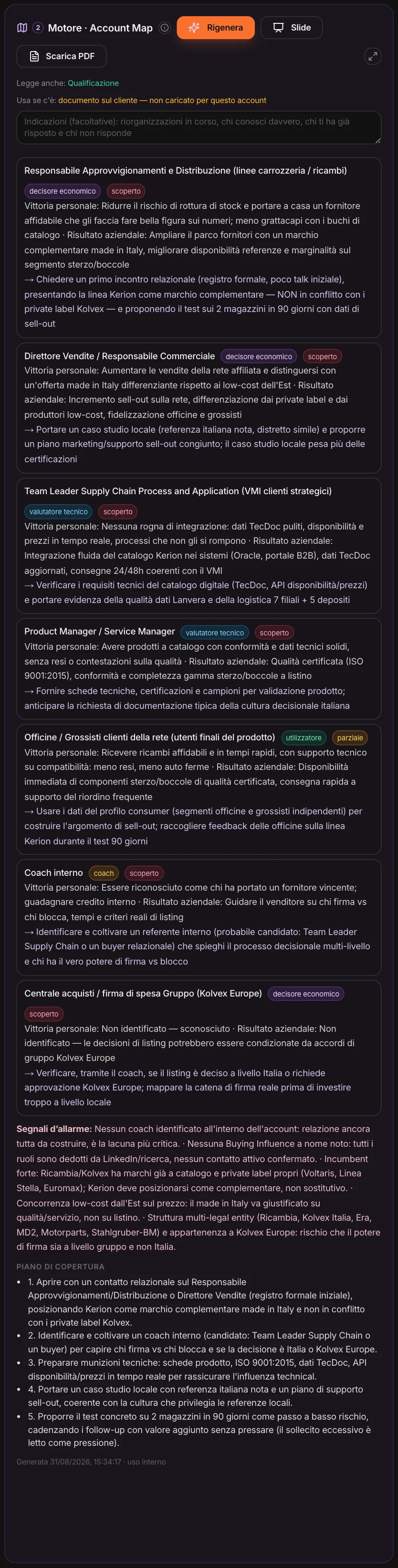
Tier, messages for each decision-maker, content and sequence
MEDDIC or MEDDPICC: what you know, what’s missing
The value in numbers, with the assumptions stated
Who you’re up against, and how to respond
SPIN, by role, in the right order
The milestones to signature, with the customer
And on the customer base you already have, the Portfolio looks for white spaces: where there’s more to sell, what to offer, which customers to win back.
The most important meeting
isn’t the first time you hear those objections.
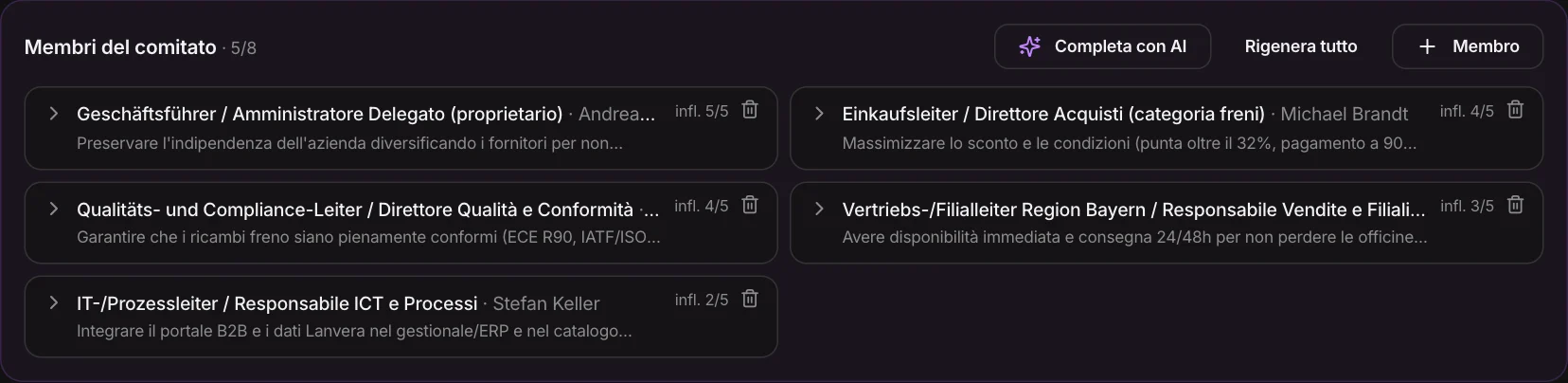
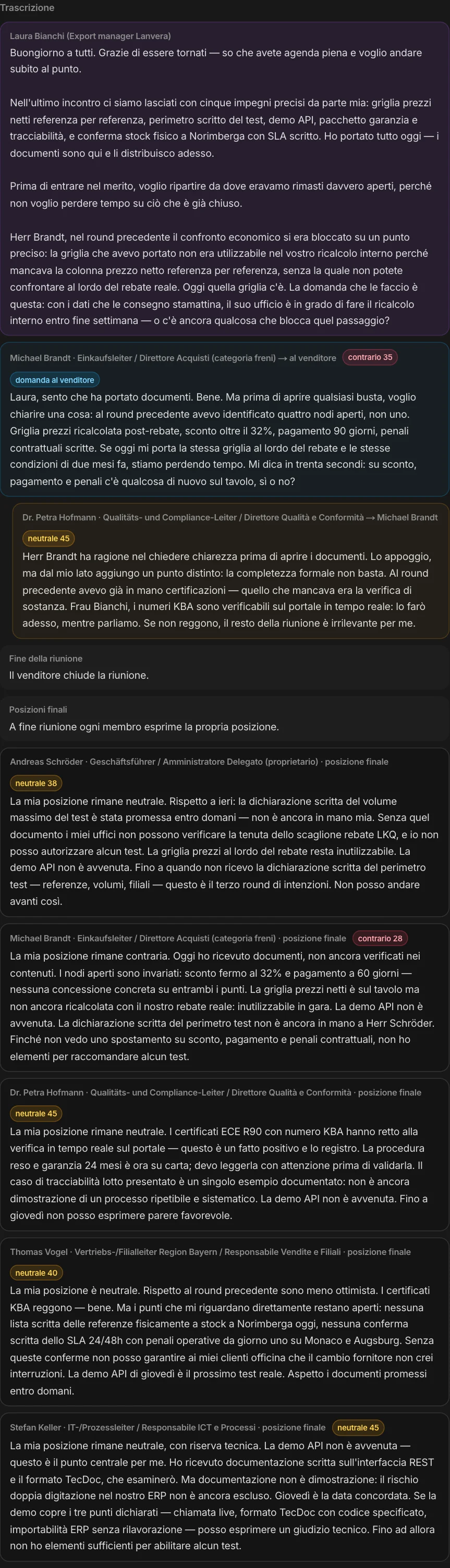
With MAPS you build the Buying Committee before the meeting: who will use the product, who controls the budget, who has to approve, who fears the change. Each one reacts from their own role, with the things they don’t say.
You can run a meeting, send a written proposal or watch a simulated salesperson, with SPIN, Challenger, MEDDIC, Sandler, Solution Selling and other methods; a coach suggests your next move. At the end: the minutes, the consensus, how each member moved. It doesn’t tell you what will happen: it gets you there better prepared.

A story,
not a meeting.
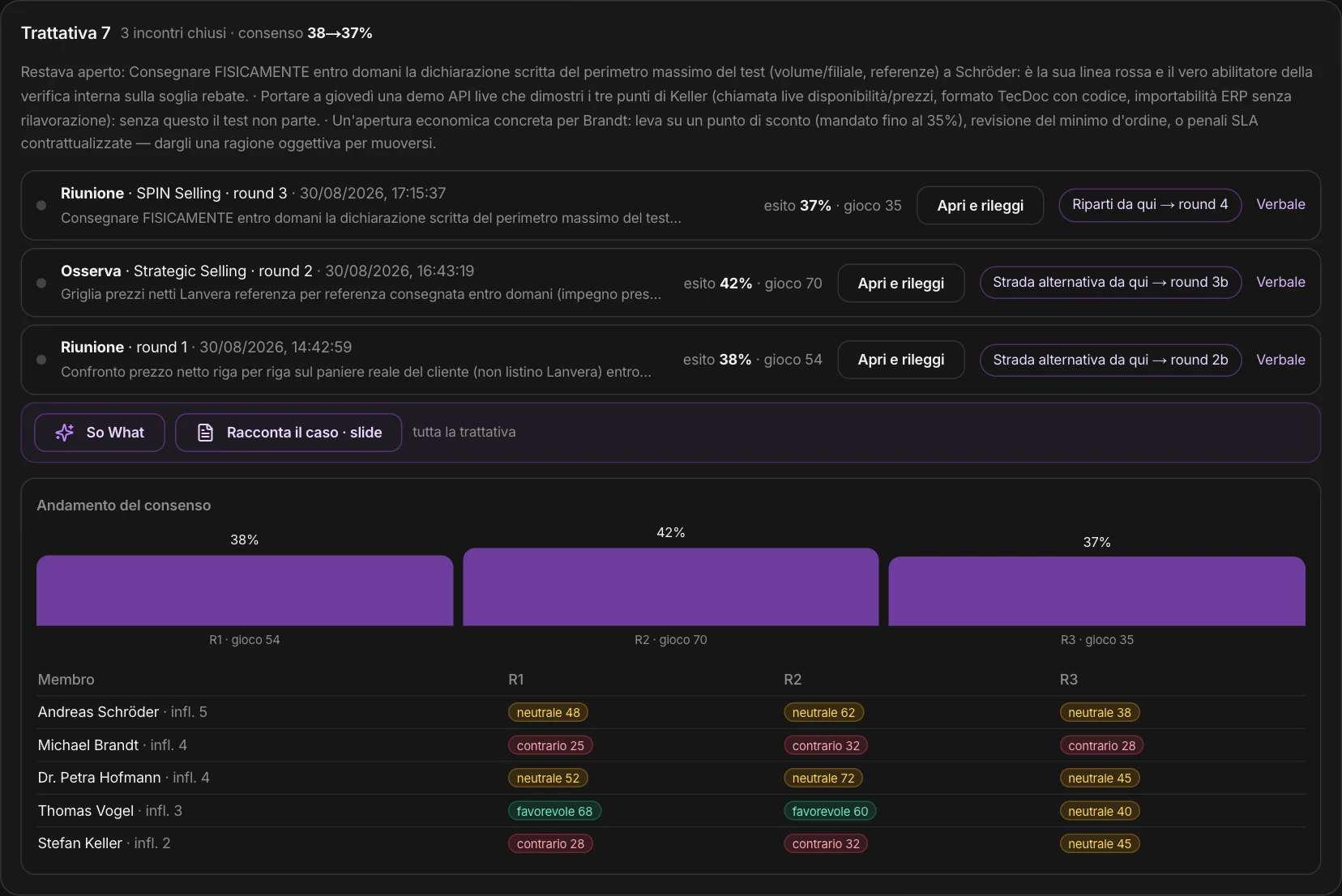
What did the CFO say the first time? What had you promised the head of operations? Who was in favor and then cooled off? MAPS keeps the meetings over time together: what was said, what changed, the commitments still on the table.
You can go back to a step, try a different path and compare how the conversation changes. And the deal becomes a case to review with the team.
In B2B, the lead
isn’t the result.
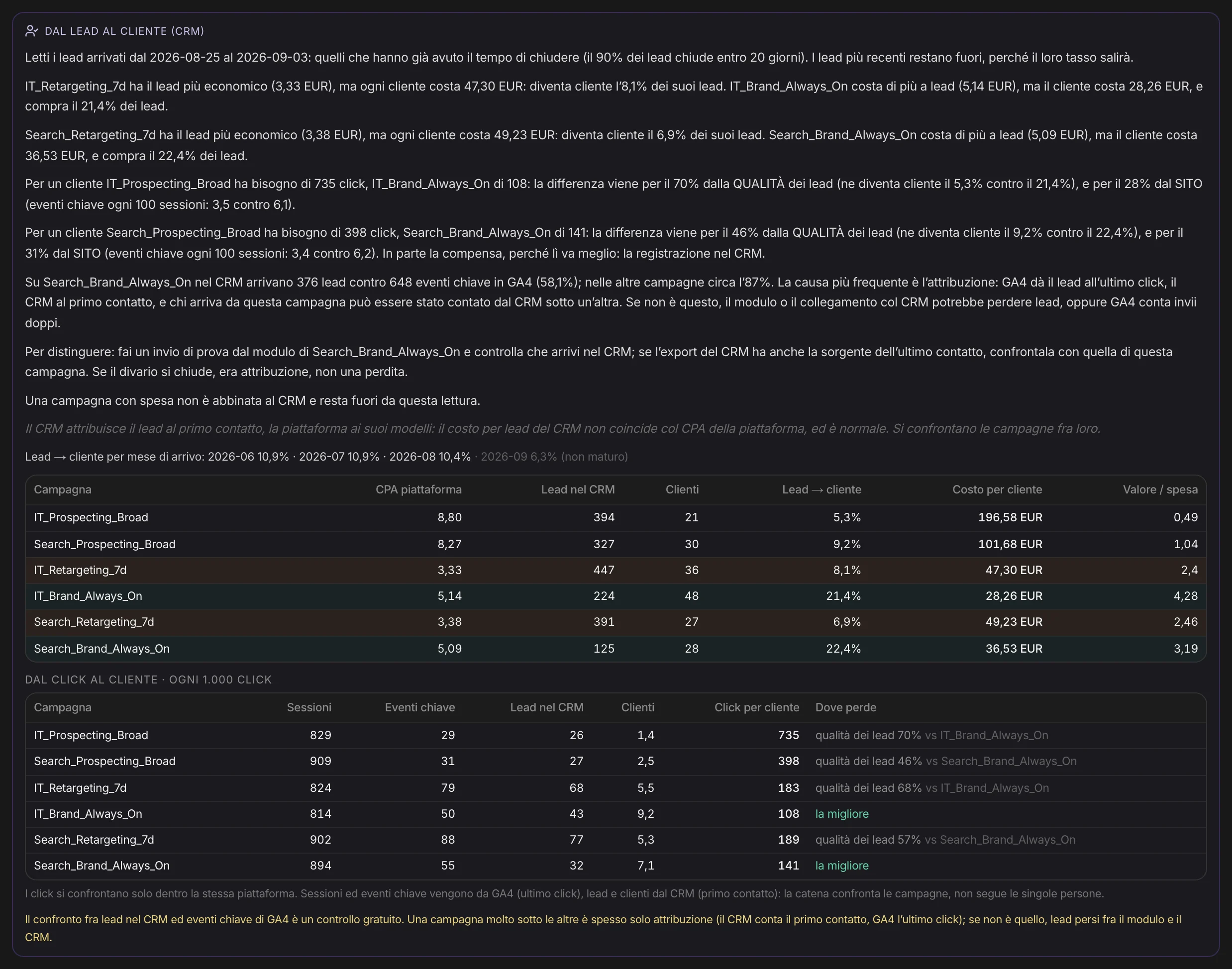
By connecting campaigns, website and CRM — including HubSpot — MAPS follows the path all the way to the opportunity and the closed-won deal: how many opportunities were created, how many turned into sales, how much you spent to get there.
Not just cost per lead. Cost per closed-won deal.
The whole cycle,
in the same project.
B2B segments · Buying process · Go-to-market · Industry listening · LinkedIn
Account-based selling · Account plan · Business case · Battlecard · White spaces
Buying Committee · Sales methods · Coach · Minutes
Meetings · Commitments · How consensus evolves · Alternative paths
CRM · HubSpot · From campaign to closed-won deal
Campaigns · LinkedIn content · Presentations · Pages
The questions
people ask us.
Does the Buying Committee predict how the real meeting will go?
No. It’s a simulation to prepare for objections, roles and dynamics: it trains the conversation, it doesn’t predict how real people will behave.
Does MAPS find accounts’ emails and phone numbers?
No. It identifies relevant companies, roles and people, with the source. Contact details stay in your tools and in the CRM.
Does it work for a B2B startup?
Yes: startup and B2B live side by side in the same project, and account-based selling is joined by investors and an investor committee.
Can I start from my CRM?
Yes: from files with customer records and orders, or by connecting HubSpot. Contacts are pseudonymized.